



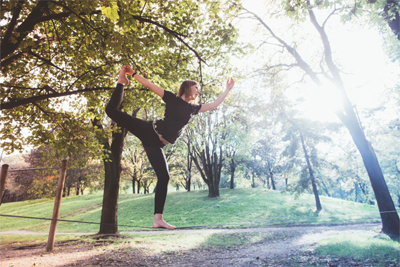
What Counts as Acro?

What Counts as Acro?
The term Acrobatics is often used as a catch-all, but in reality it encompasses an extraordinary range of disciplines. It appears in the air, on the ground, on ropes, poles, lines, and even city walls. Some acrobats soar through the air on fabric or steel, while others balance upside down on their hands, navigating seamlessly through urban spaces, or bend their bodies in ways that seem to defy anatomy. Acrobatics takes countless shapes. From ancient traditions to modern circus stages, acrobats come in many forms, each mastering a unique blend of strength, flexibility, balance, and artistry.
Let’s take a tour through the major categories of acrobatics and what makes each one unique.
Aerials
Aerial acrobatics involve performing while suspended above the ground, using apparatuses that challenge strength, flexibility, coordination, and artistry.
Aerial Silk / Hammock
Performed on long pieces of fabric, aerial silks and hammocks allow artists to climb, wrap, drop, and pose in midair. Silks emphasize dramatic movement and dynamic drops, while hammocks offer added support for rolls and shapes.
Trapeze
Trapeze comes in many forms, including:
- Static trapeze
- Flying trapeze
- Swinging trapeze
- Dance trapeze
- Washington trapeze
- Multiple trapeze
Each variation changes how the apparatus moves and how the performer interacts with it, from high-flying catches to controlled, sculptural poses.
Hoop / Lyra
A steel hoop suspended in the air, the lyra blends spinning, strength-based shapes, and transitions. It’s known for its clean lines and elegant aesthetic.
Pole (Pole Dance & Chinese Pole)
- Pole dance is a vertical acrobatic discipline that combines strength-based pole tricks, inversions, and spins with choreographed movement and expressive flow.
- Chinese pole is a traditional circus discipline featuring climbs, slides, drops, and explosive tricks on a vertical pole.
Straps / Loop
Performed on fabric or leather straps, this discipline emphasizes upper-body strength, power holds, dynamic releases, and fluid transitions through the air.
Rope (Corde Lisse)
A vertical rope that requires precision, grip strength, and controlled movement, often seen in contemporary circus.
Spanish Web
Spanish web is a rope-based aerial discipline in which a performer executes spins, drops, and poses while another person controls the rotation, speed, and tension from the ground.
Other Aerial Apparatuses
Some examples of other apparatuses that push the creative boundaries of aerials:
- Chains
- Cube
- Russian Cradle
Have we missed any major apparatuses? Let us know!
Gymnastics
Gymnastics forms the athletic foundation of many acrobatic disciplines.
Artistic Gymnastics (WAG and MAG)
This includes these classic apparatuses:
- Balance Beam
- Uneven Bars
- Floor
- Vault
- Pommel Horse
- Rings
- Parallel Bars
- High Bar
Artistic gymnastics emphasizes power, precision, and technical execution.
Trampoline / Tumbling / Team Gym
These disciplines focus on height, rotation, and speed, featuring explosive tumbling passes and synchronized group routines.
Rhythmic Gymnastics
A blend of dance, flexibility, and prop manipulation using:
- Ribbon
- Hoop
- Rope
- Ball
- Clubs
Rhythmic gymnastics is known for its elegance and musicality.
Acrobatic Gymnastics (Sport Acro)
Performed in pairs or groups, athletes execute balances, throws, and catches that rely on strength, trust, and synchronization.
Aerobic Gymnastics
A high-energy discipline combining continuous movement, strength, and endurance with precise choreography.
Acro Dance
Acro dance merges classical dance techniques with acrobatic tricks such as inversions, balances, and tumbling. It prioritizes fluid transitions and storytelling while incorporating impressive physical skills.
Parkour
Parkour focuses on efficient movement through environments using running, vaulting, climbing, and jumping. Originally developed for navigating urban spaces, it has evolved into both a training discipline and performance art.
Partner Acrobatics
Partner-based acrobatics center on trust, communication, and shared balance.
Acro Yoga
A fusion of yoga, acrobatics, and therapeutic movement, including:
- L-base acro (one person lying down as the base)
- Standing acro (both partners upright)
Icarian Games
A traditional circus discipline where one partner launches and catches the other using their feet, often performing flips and rotations midair.
Cheer
A traditional circus discipline where one partner launches and catches the other using their feet, often performing flips and rotations midair.
Hand Balancing
A highly specialized discipline focused on balancing upside down using the hands. Hand balancers train strength, alignment, and control to achieve static poses and dynamic transitions on the floor or canes.
Slacklining / Tricklining
Performed on a tensioned line, slacklining tests balance and focus. Tricklining adds jumps, flips, and dynamic tricks, turning balance into an aerial skill.
Tricking
Tricking blends martial arts kicks, gymnastics flips, and dance-inspired movement. It’s fast, explosive, and highly individual, often performed in freestyle “combo” sequences.
Contortion
Contortion emphasizes extreme flexibility, control, and strength. Performers create deep backbends, splits, and twisted shapes that are both athletic and visually striking. It often overlaps with aerial and partner acrobatics.